

What Nine Years of Strength Coaching has Taught Me About Falling
I should add what sixty-eight years of being my mother’s daughter has taught me about falling.
Mom is 91. She has osteoporosis. She also has an uncanny ability to fall without breaking any bones. I would say despite being careful, she falls an average of two times a year. Fortunately, these have all been inside in recent years.
We can stumble and fall for any number of reasons. Physical changes in our bodies, including joint pain or discomfort and muscle weakness, can make us less stable. We may have developed the habit of shuffling along, rather than lifting our feet for each step. Certain eye and ear conditions can impair our balance and increase the likelihood of slipping. Numbness in the feet or legs and certain medications can also be factors.
It is best to consult your primary care physician to assess your risk for falls.
My Mom isn’t alone. According to the CDC, 1 in 4 Americans over the age of 65 falls each year.
Some falls are like what I described with Mom, relatively uneventful. Too many falls result in broken bones, hospitalization, and death.
Fall prevention is part of my strength coaching practice. I include exercises to strengthen leg muscles, functional movements such as squats and lunges, and balance practice. Tai Chi is recommended for fall prevention. I bring these forms to training sessions and classes.
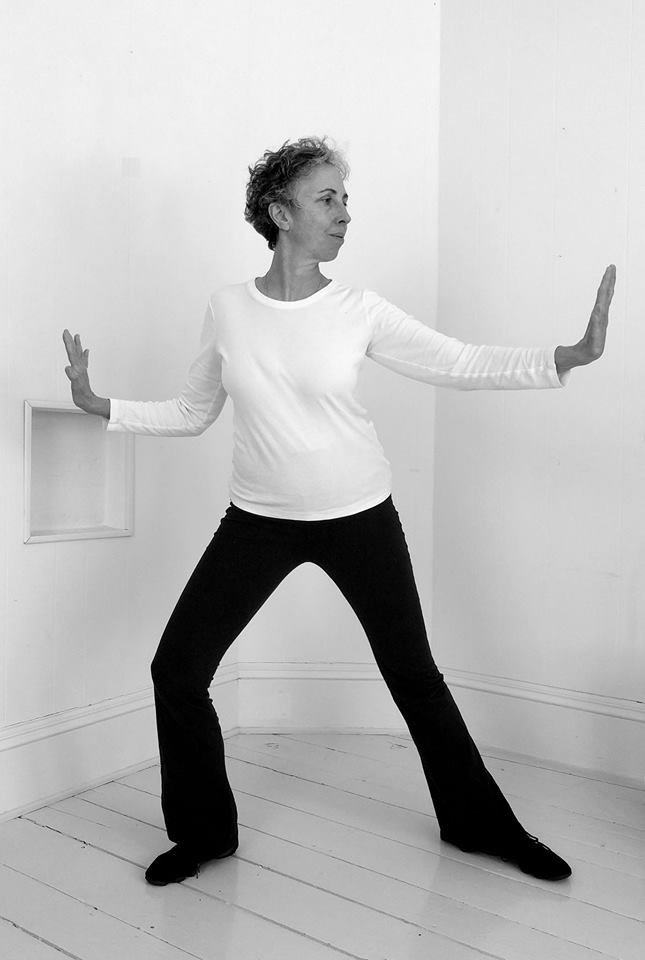
Photo by France Hilbert
There are practical steps to take to prevent falling. Which of the following do you do?
1. Wear sensible shoes.
- Shoes are fun, but it makes the most sense to wear shoes that allow you to feel stable when walking, are comfortable, aren’t floppy or with slick soles.
- Properly fitted, sturdy, flat shoes with nonskid soles are likely to be the safest.
- Sturdy shoes may also help with joint pain.
2. Remove hazards in your home.
- Get rid of loose rugs.
- Use nonslip mats in the shower and bath
- Wipe up spills right away
- Keep walkways clear
3. Light up your home.
- Use nightlights
- Place a lamp within easy reach if you have to get up at night
- Turn on lights before going up or downstairs
- Use external lights for when you are coming or going in the dark.
4. Use assistance devices.
- Determine with your primary care physician if you need a cane or a rollator.
- Use handrails on both sides of the stairway. A second handrail may need to be installed.
- Grab bars for the shower or tub.
- Potentially a shower chair.
- You may prefer a raised toilet seat.
5. Build strength and practice balance
- Physical activity is the best way to learn how to prevent falls. Ask your primary care physician if you can exercise. They may recommend you work first with a physical or occupational therapist.
- Strength training and balance practice are key.
- Walking, water workouts, and yoga can help you stay active.
- Find a Tai Chi class or me. Positive options include walking, water workouts, yoga, and tai chi. These activities reduce the risk of falls by improving your strength, balance, coordination, and flexibility.
Strength creates choices.
The truth I'm training for is this: I can prevent falls as I grow older.