

Why You Keep Brushing the Wall When You Walk By
Has your balance become less reliable? Do you notice you might brush a wall while you pass? Do you trip more? Are you afraid of falling, or have you fallen?
What is Balance?
Balance isn't just about not toppling over – it's an intricate dance of our senses and control systems. It is our ability to see while moving, know our orientation in space with respect to gravity, determine where we are going and how fast we are going, and adjust our posture to stay stable and upright.
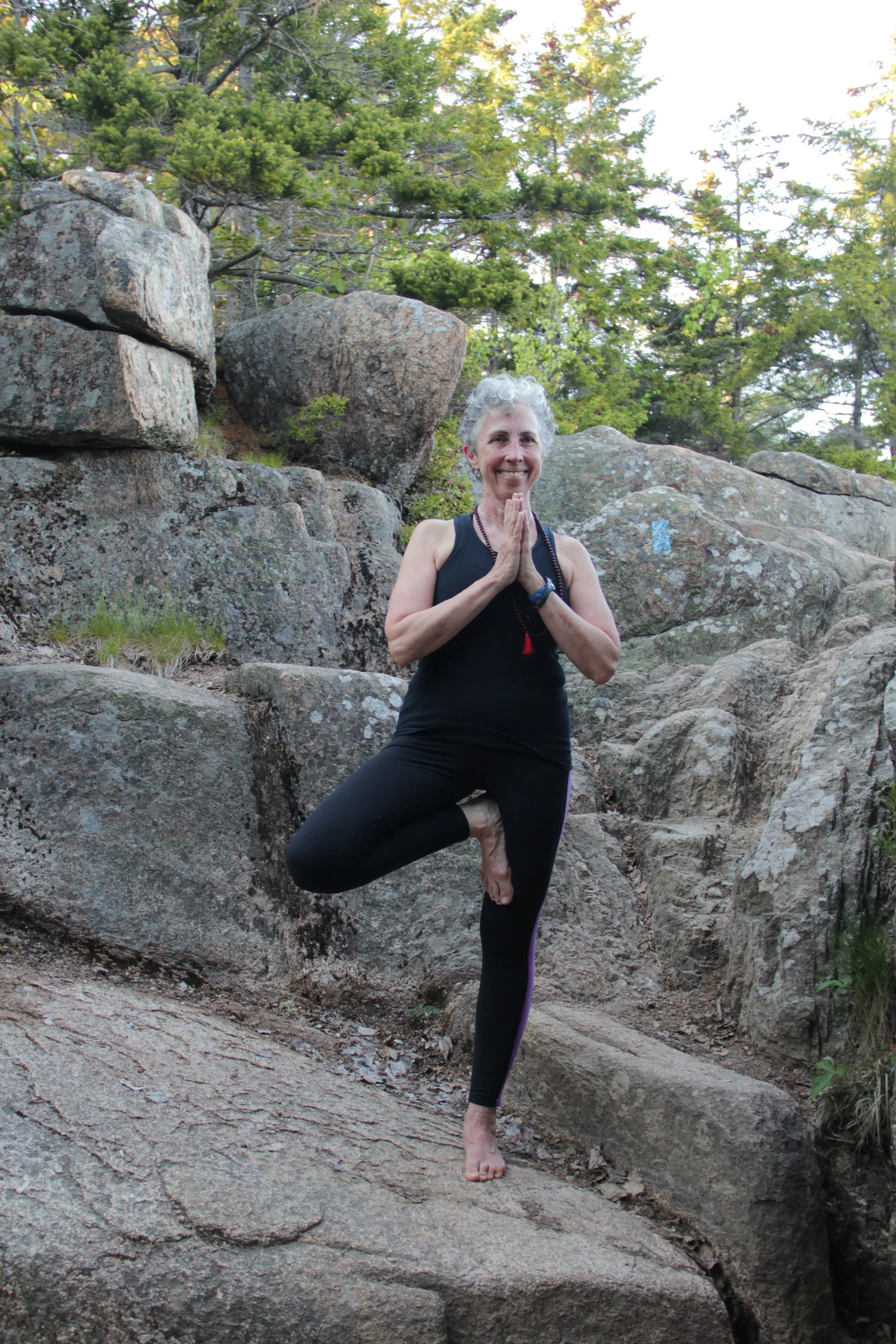
Photo by Rose Edwards
The Harmony of Elements
Our body is a masterwork of design, equipped with a symphony of input and control mechanisms to keep us upright. Vision guides us; proprioception in our skin, muscles, and joints informs us of our movement, while the vestibular system in our inner ear helps us maintain balance and navigate motion. It all comes together in our brain, which orchestrates muscle and joint responses.
The Age-Old Shift
As time ticks on, our processing might slow down a bit. It's possible to lose some sensory elements or struggle to process incoming information. Plus, our musculoskeletal system might weaken, affecting how freely we move. External factors like illnesses or medications can play a part, as can psychological aspects.
Taking Charge
The good news? We have the power to take charge of our balance journey as we age!
1. Strength training is key. When you lose your balance, strength is what allows you to catch yourself, recover, and stay upright.
a. Keep those legs and hips strong.
b. Cultivate a sturdy core front, side, and back.
c. Build upper body muscles for good posture and strength.
2. Train your balance regularly with exercises like:
a. Narrow Stance Walking – stepping one foot directly in front of the other in a straight line
b. Rock the Boat Weight Shifts – step right foot forward, bringing weight over that leg, and then step left foot back, bringing weight over that leg. Alternate back and forth.
c. Stepping Over Sleeping Dog – pretend a dog is sleeping on the floor. Step over the imaginary dog one way and return the other.
d. Tree Pose – This is a yoga pose where you stand tall, intend to balance on your right leg, externally rotate your left leg, and place your foot on the inside of your right leg below or above the knee. You can also place the foot like a kickstand. Balance for 10 to 30 seconds. You can start with your hand on a wall or a chair.
3. Learn to prevent falls through Tai Chi
4. Sneak in balance checks, like during your toothbrush routine – aim for 10 seconds or more per side.
5. Prioritize quality sleep – Fatigue affects reaction time, coordination, and balance.
6. Fuel your body with nourishing food to support muscle strength, energy, and overall function.
7. Confidence helps. Fear of falling can change how we move and make balance worse.
Balance isn't just about physical equilibrium; it's a harmony of mind, body, and spirit. As we age, it is critical to be proactive to retain our balance. Strength training helps maintain the muscles needed to support your joints, react quickly, and recover when you lose your balance. Tai Chi is an excellent practice to train you to prevent falls.
If balance feels less reliable than it used to, don't wait for a fall to act. A simple strength and balance program can make a remarkable difference at any age. If you'd like guidance on improving your strength, balance, and confidence, message me. I'd be happy to help you get started.