

What Nine Years of Strength Coaching Taught Me About Walking
Walking is the most popular form of exercise. If you can walk—and, of course, many people can’t—it is likely that you do it fairly regularly.
For some, that is a short walk to get the mail or water a plant. For others, it is a more diligent plan to clock 10,000 steps or two to five miles.
I love a walk.
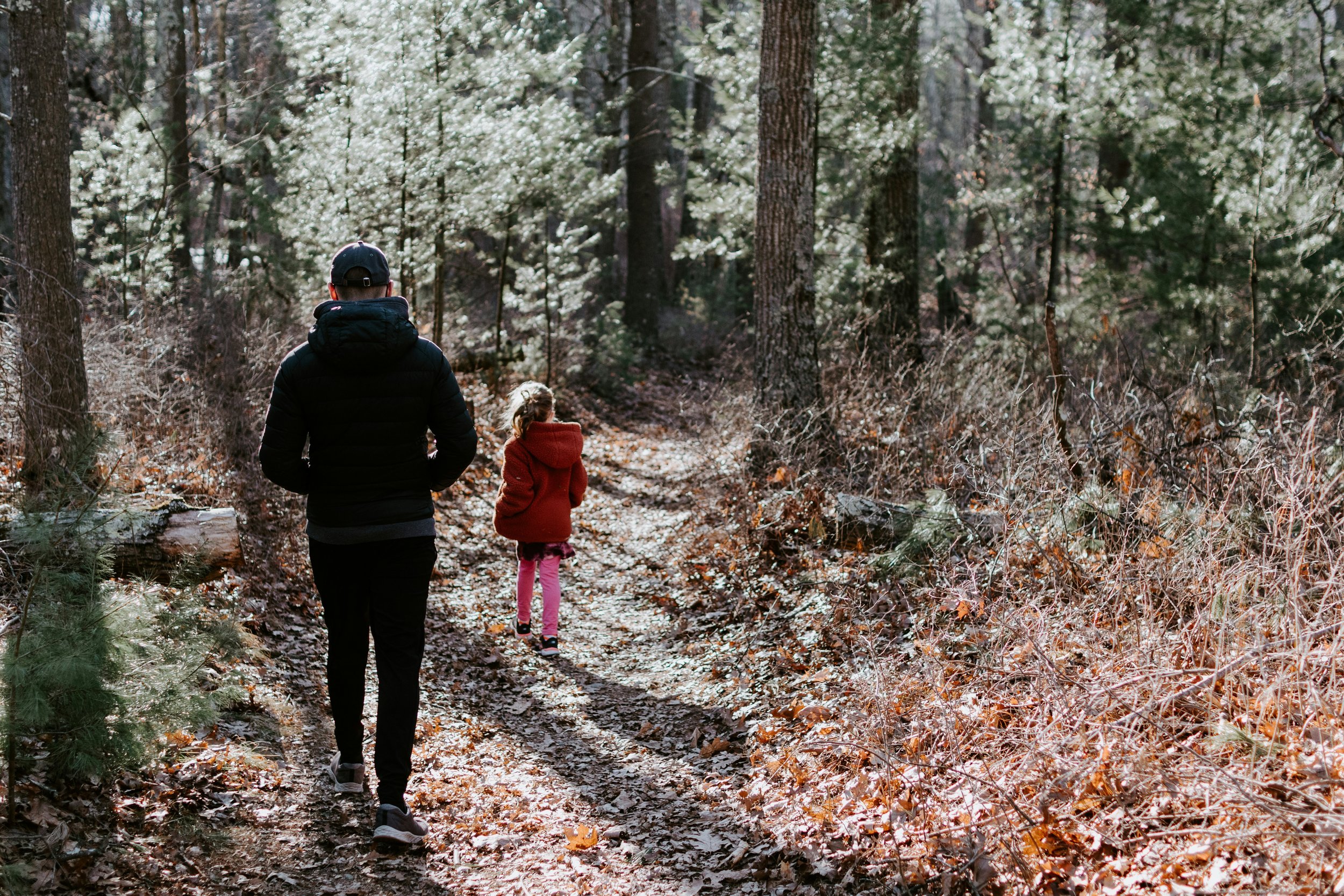
Photo by Kelly Sikkema on Unsplash
I appreciate the options and variety along the way.
You can walk in your neighborhood, in a park, at a nature preserve, on the beach, or at the mall.
You can walk day or night, rain or shine, with the proper equipment.
You can walk alone, with a friend or a dog, or with a group.
You can set a distance or speed goal or stroll at leisure.
So many options.
The ease and accessibility are part of what makes walking so popular.
And walking has plenty of benefits:
It is good for your heart. Pick up the pace and it becomes cardiovascular exercise.
Walking burns energy and can contribute to weight management.
Walking after a meal can help reduce the rise in blood sugar.
Movement is good for your joints.
Walking is weight-bearing activity and helps maintain muscle function and bone health, although it isn't a strong enough stimulus by itself to build significant strength or bone density.
Walking can improve your mood and reduce stress.
Regular physical activity, including walking, supports memory, focus, and thinking.
You may notice that a walk boosts your energy.
Regular walking helps maintain mobility and can contribute to reducing fall risk.
Like other physical activity, walking can help you sleep.
Let’s celebrate all those positives while admitting something important:
Walking isn't enough.
All too often, someone with osteopenia or osteoporosis reaches out to me and tells me walking is their only weight-bearing exercise.
And when people reach out to me about coaching, they often walk regularly. They’ve heard they should strength train, but they aren’t sure how to get started.
That makes sense.
Unlike walking, which most of us have been doing since we were about one year old, strength training needs to be learned. You need to understand exercises, form, resistance, reps and sets, rest, recovery, and eventually, progression.
That doesn’t mean strength training has to be complicated. And it certainly doesn’t mean you are stuck working with a coach forever.
But I do think getting some guidance when you begin can make a huge difference. Some people are quick studies and soon feel comfortable training on their own. Others like being guided and having someone progress their program over time.
Either way:
Keep walking.
Add strength training.
A good strength program trains all your major muscle groups regularly:
Chest
Back
Shoulders
Arms
Core
Legs and hips
For many people, two or three full-body strength sessions per week work beautifully. Others prefer to split their training over more days. There isn’t one schedule everyone has to follow.
Yes, you can learn exercises from Instagram, Facebook, TikTok, and YouTube. But collecting exercises isn't the same thing as having a progressive strength program.
You need to know what you are training. You need enough recovery. And as you get stronger, the program needs to grow with you.
You don’t want to do five-pound biceps curls till the cows come home.
If five pounds no longer challenges you, it may be time for eight. Eventually, perhaps more. You can also progress by changing repetitions, sets, range of motion, or tempo.
The point is that strength training should progress as you do.
Sounding a tad complicated?
That is why I recommend getting some guidance at first.
Walking and strength training go beautifully together. I’m a hiker, and I’ve found that strengthening my legs has improved my performance on longer hikes.
The truth I’m training for is that I want to keep moving in all the ways I love.
If you’re curious about Mighty Fit Strength Coaching and want help adding strength training to the walking you already love, please reach out.