

Different bodies, changing needs, and finding your own way to rest.
Sleep is everyone’s private journey.
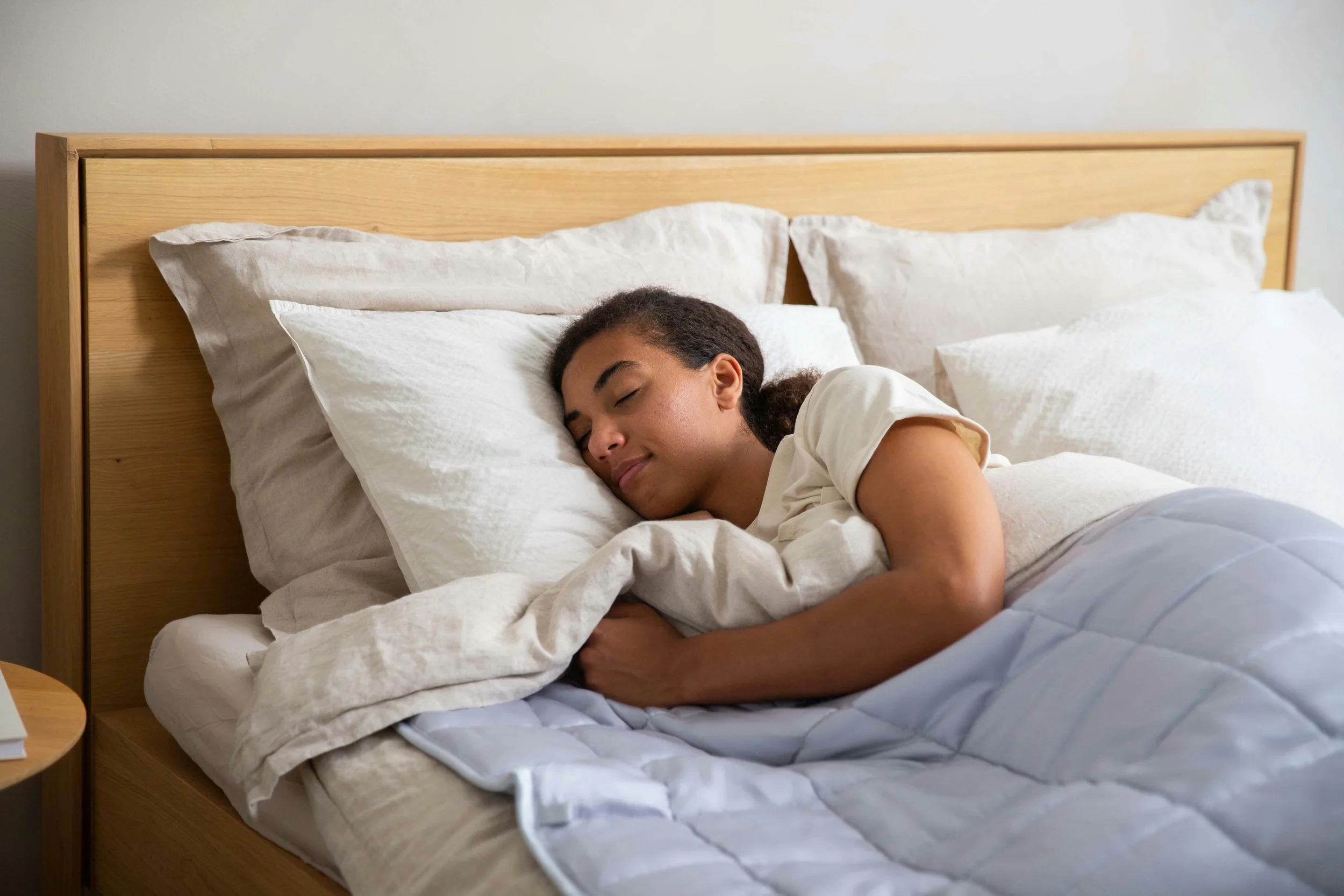
Photo by Slaapwijsheid.nl on Unsplash
Charles must have nine hours. Sidney can barely get six. Brittany wakes up at 2 A.M. and stays awake for a couple of hours. Sam purposefully gets up in the middle of the night to get some work done, then goes back to sleep for a few hours.
We also don’t sleep the same way throughout our lives. Childhood often includes a pattern of naps and early bedtimes, though many kids don’t nap. School demands may shape sleep through high school and college. That pattern continues as we take on work responsibilities.
I barely slept during perimenopause. I’m not alone in this experience. I’m in the unfortunate group of women who went through this change when the medical community had concluded that hormone replacement carried too high a cancer risk. Without any treatment or guidance, I dealt with little sleep, hot flashes, hip pain, and low energy for about ten years. I felt better immediately and slept better after my final period.
Because of the wide range of experiences, sleep is a common topic among my clients. I routinely recommend replacing a strength session with an active recovery day if sleep was disrupted. It makes no sense to force your usual lifts when you are under-rested. In contrast, if someone announces they had a great night’s sleep, that is the day for added challenge.
It goes both ways.
Finding What Helps You Sleep
I have developed a set of recommendations for those who are having trouble falling asleep or staying asleep.
1. Make your bed and bedroom as comfortable as possible for you, including temperature, bed sheets, blankets, and pillows.
2. Ease away from screens an hour before bedtime. You will learn whether you need to stop sooner or can use screens closer to bedtime.
3. In any case, leave the phone out of your bedroom unless it is necessary for caregiving, medical alerts, or other needs.
4. Consider doing some restorative or yin yoga poses before you climb into bed.
5. Follow your breath. When you lie down, bring your attention to your breath. Gradually deepen your inhalations and exhalations. Counting may be soothing. As you breathe, lengthen your exhalations to deepen your relaxation. Consider inhaling for a count of 4, then exhaling for a longer count. Do what feels comfortable to you.
6. Have your last major meal well before bedtime.
7. Stop drinking caffeine after 2 PM; you may learn you need to stop sooner.
8. Be careful with sugar consumption. I cannot have a sweet after 6 PM.
9. Allow yourself your sleep. No judgment, no pressure, just what you need.
I will end where I started. Your sleep is your business. I am writing this essay to support you in finding your best way to rest.
The truth I am training for is that when it comes to us, we know best.