

What Nine Years of Strength Coaching Has Taught Me About Rest
I Have Never Been Good at Rest
I have always been an Energizer Bunny.
It was hard to keep me in bed as a kid. I always wanted to be doing something. I carried that same energy into adulthood, convinced I could sleep when I was dead.
Now, as a 68-year-old strength coach with arthritis who still loves lifting, I have finally developed a deep respect for rest.
I'll be honest—it was a kicking-and-screaming process.
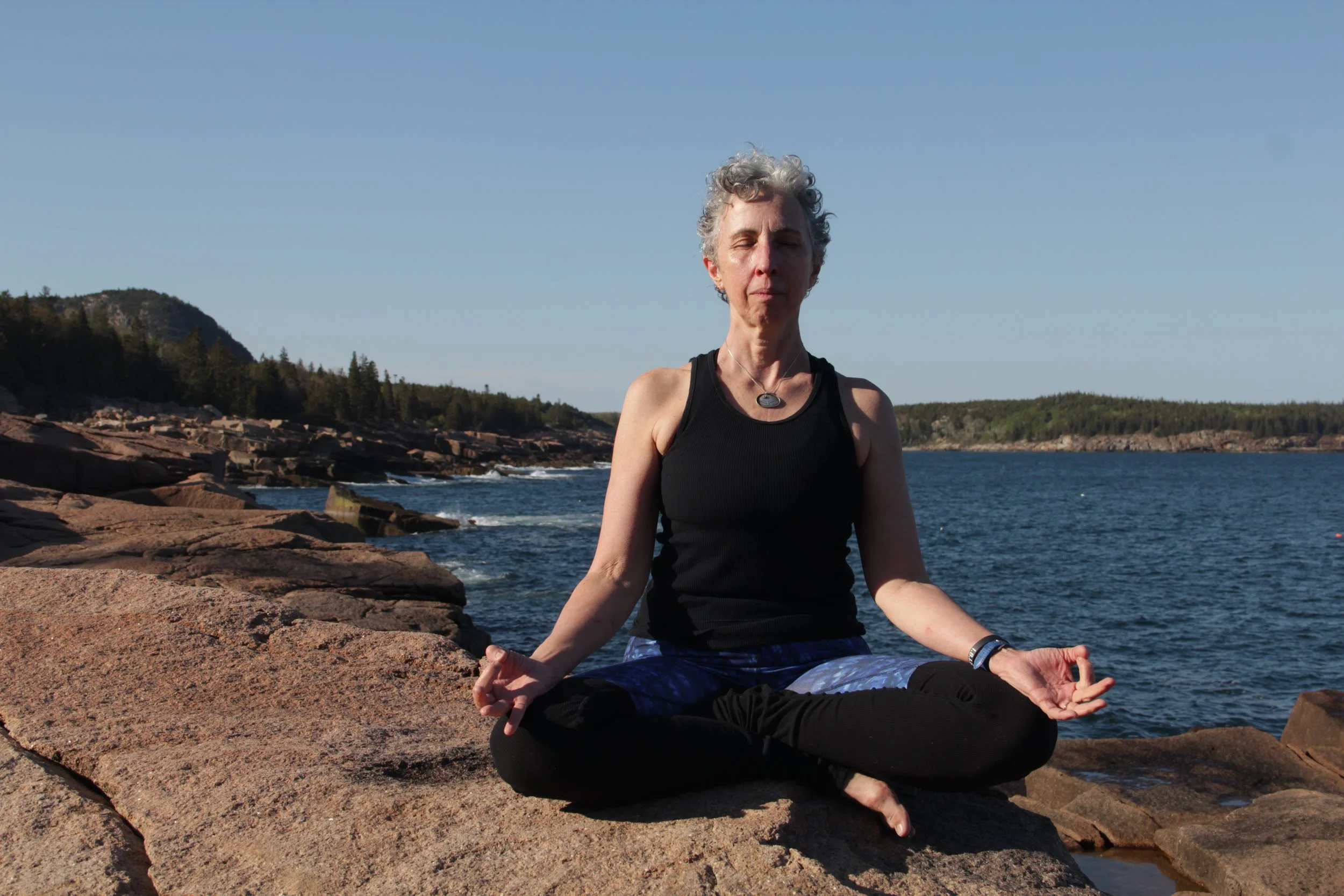
Photo by Rose Edwards
When Yoga Forced Me to Slow Down
Even Savasana at the end of a yoga class felt uncomfortable. Lying still wasn't relaxing. It felt unnatural because I had trained myself to believe that movement was always better than stillness.
Meditation wasn't much more appealing.
When I attended Yoga School training, I was known for teaching strength-challenging classes. My teacher patiently encouraged me to spend just a few more breaths in Savasana and a few more minutes in meditation. Little by little, I realized that...
Rest Isn't the Opposite of Strength
It is part of strength.
Today I tell every client the same thing:
Rest is part of your program, not an afterthought.
Both Extremes Have Consequences
Like so many things in health, we're looking for a balance.
On one end is being sedentary most of the time. Too much rest leads to stiffness, poorer posture, loss of muscle and bone, declining mobility, and eventually fewer choices about how we live.
On the other end is believing more exercise is always better. Training hard seven days a week can leave you fatigued, sleeping poorly, anxious, and more likely to get injured. Ironically, I've seen overtraining lead people into weeks—or months—of barely moving at all.
Neither extreme builds lasting strength.
I Don't Train the Same Every Day
Instead, I try to match my training to my body's readiness.
Some days I feel energetic. Those are the days for heavier lifts, AMRAP sets, balance challenges, and pushing myself.
Other days my body tells a different story. I still move, but I lower the weights, reduce the intensity, spend more time on mobility, and focus on quality movement instead of quantity.
Listening to my body has made me more consistent, not less.
My Weekly Recovery Day
Once every week, I deliberately schedule a recovery day.
I still walk Luna. I might garden, do some yard work, or enjoy being outside. But I don't schedule a workout. That day belongs to recovery.
Every week.
Like observing Sabbath.
I also protect my sleep. I go to bed and wake up at about the same time each day. Actually, I’m not in charge of when I get up. That’s Luna’s job. She gets me up for her walk around the same time. She can be a bit too early, and I reason with her for another 20 minutes, but her clock is pretty decent. I go to bed fairly early, read, journal, relax, and embrace the cozy.
Recovery Doesn't End When the Workout Does
After every strength session, I cool down. I don't rack my last weight and head for the door. I stretch the muscles I've worked, slow my breathing, let my heart rate come down, and give my nervous system permission to shift out of work mode.
Three Recovery Habits Worth Keeping
If you're wondering where to start, I'd focus on three habits:
Take at least one recovery day each week.
Keep a fairly consistent sleep schedule.
Finish every workout with a deliberate cooldown.
Strength isn't built only while you're lifting.
It's built while your body recovers from the work you've done.
That's a lesson it took me decades to learn.
And it's one I'm still practicing.
The truth I'm training for is this: by respecting rest and recovery, I give myself the best chance to keep climbing mountains, walking Luna, lifting weights, and saying yes to the life I want to live.