

The Most Important Thing in Fitness After 40
What is the most important thing in fitness? Not the fanciest gear. Not the perfect workout split. Not even the “best” diet.
Let’s refine the question: What’s the most important thing in fitness after 40?
Consistency. Showing up. Doing the work. On schedule. Without fail. Without excuses.
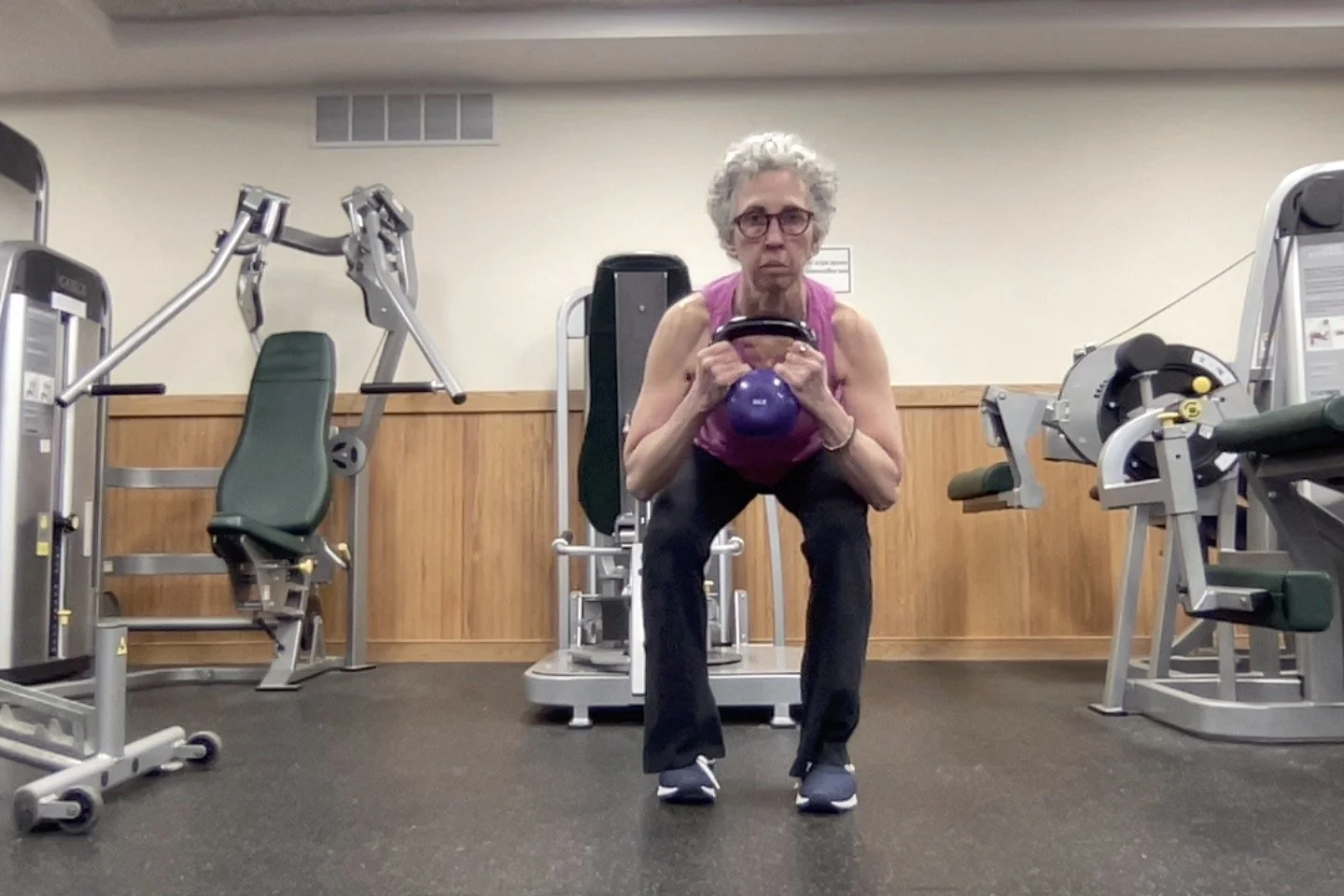
It’s not that you have to love it. Most people don’t work out for fun. Sure, you might enjoy a tennis match, a round of golf, or a morning hike—but strength training, mobility drills, and balance work? Those aren’t usually anyone’s idea of a party.
You train for a reason. You want real-world results:
To lift your grandkids without strain
To play better golf or tennis
To hike farther with less fatigue
To travel with ease, not stiffness
To lose stubborn weight
To build muscle and regain tone
To improve bone density and fight osteoporosis
To sleep deeply and wake refreshed
To stabilize your mood
To reduce chronic pain
To prevent falls
To keep your independence
To garden, dance, cook, move, live
These are concrete goals. You either hit them—or you don’t. If you succeed, your body tells you. So do your friends and family.
And if you don’t? That’s clear too. You feel weaker, not stronger. You say “no thanks” more than “I’m in.” You decline hikes, cancel travel, bow out of games.
There’s no mystery here. No guessing. When you train consistently, you notice. Your body gives you feedback—loud and clear.
Just today, my 90-year-old mother said, “I always feel better when I’ve had enough water.” I applauded. That’s a real, measurable signal. Her awareness is a form of strength.
Me? I hike better on weekends when I’ve gotten my three strength sessions in during the week. Cause and effect.
Your choices today shape your tomorrow. Want energy later? Train now. Want mobility later? Stretch now. Want independence later? Strengthen now.
Let me tell you about Jim. Jim was a tennis player for years. Into his 60s, he was vibrant and active. But gradually, as the aches added up and the missed shots became more frequent, he stopped playing. Around 65, he quit tennis—and didn’t replace it with anything.
He still walked. Still spent time with his grandkids. Still loved his boat. But he stopped training. He let his strength quietly slip away.
When I met Jim at 84, he used a cane, struggled to stand up, and told me he felt “so weak.” I didn’t know when he’d stopped moving—until I did the math. He’d paused at 65. It had been 20 years.
Don’t be like Jim.
Instead, imagine your future self. Picture the oldest version of you. (I have a friend who’s 100 and still going strong, so that’s my benchmark.)
I don’t care about my wrinkles. And I made peace with my silver hair long ago. But I do care about this:
Having the same upright posture
Getting out of bed without a groan
Lifting groceries without fear
Getting into and out of a car with grace
Still hiking, still gardening, still dancing
Still living life on my terms
That’s what I’m training for today.
So I ask you—how old do you want to be? Not just chronologically, but functionally?
Do you want to be 90 with energy? 100 and mobile? Or do you want to peak at 70 and gradually give things up?
What are you doing today to help that future version of you? They’re counting on you.
If you have questions and/or could use a custom program or lesson plan, book a Strength Strategy Call with me.