

How to Strength Train Effectively
For women over the age of 30, strength training is key to aging well. You have likely heard this. And you may have found a program that works for you. Too often I am hearing from women that they know they should strength train, but they don’t know what to do. Whether you call it strength, weight or resistance training, it is what we focus on at Mighty Fit.
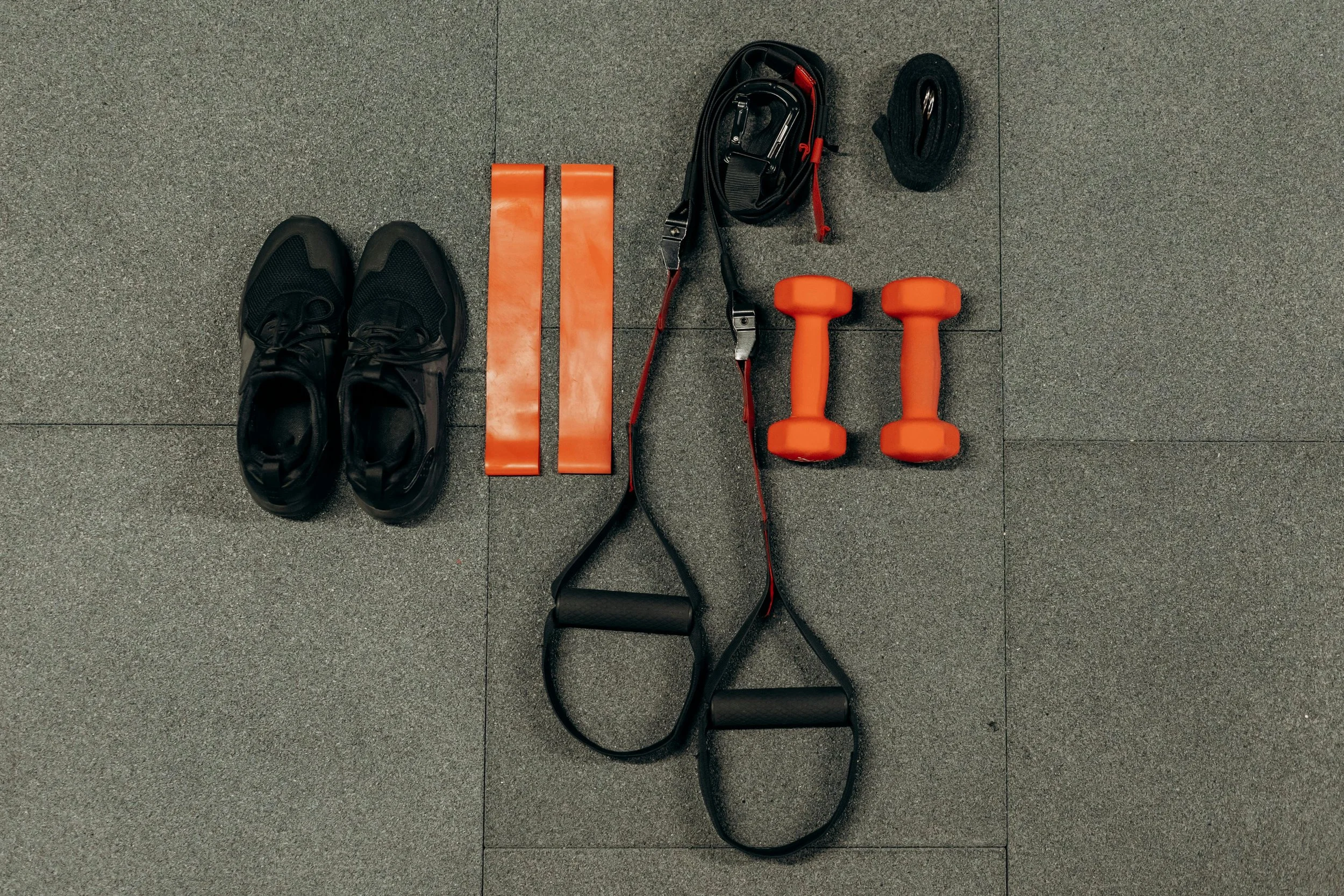
Photo by Mikhail Nilov
If you are doing it, you may find this informative. If you are new to the idea, see what questions are answered here. If you have more questions, ask me at andrea@mighty.fit.
Strength, weight or resistance is the intention.
Bodyweight/resistance bands/weights are the tools.
Progressive overload is how we build results.
Top Benefits of Strength Training
I have a blog post with 100 reasons to strength train.
I’ll pick my top 10 for this discussion.
1. Decreases chronic inflammation
2. Boosts resting metabolism
3. Trains body to burn fat
4. Builds bone density
5. Improves posture
6. Improves cholesterol
7. Primed for long-term independence
8. Take up space unapologetically
9. Younger biological age
10. Anchor to a meaningful future
What isn’t Strength Training?
It isn’t bodybuilding. Men and women who body build intend to make big muscles with the intention of looking defined or cut.
I’ve had clients specifically tell me they don’t want to bulk up, and the honest answer is I have never seen anyone do that with a very specific lifting and diet effort.
On the other end of the spectrum, doing an exercise class or series of moves without any weights (including no body weight work) isn’t strength training.
Using 2- or 3-pound dumbbells for the same exercises for month after month also isn’t.
Many of us also practice Yoga and Pilates. Yoga can incorporate strength training using body weight. Mat Pilates similarly is focused on core or powerhouse strength through bodyweight work. Reformer or machine Pilates does use resistance training.
What Do We Want an Effective and Safe Strength Training Program to Accomplish?
We want to build muscle and bone, improve metabolism, and accomplish the 10 goals listed above (as well as the other 90.)
Some women will say they want to tone their body and that is the same thing as building muscle.
We want to counteract sarcopenia and bone loss – both of which will happen to everyone without intervention.
We want to manage our weight as we wish. This is an individual decision with no judgement. In my post-menopausal experience, I maintain my weight by lifting 3 sessions per week.
Strength training can help to manage chronic conditions like arthritis and back pain.
It sets us up for success in life. We have the energy, stamina, power, and oomph to do what we want to do from get on the ground to play with grandkids, to playing pickle ball, golf, tennis and the like, to hike, walk, run, ski, skate, row, and all.
It can also help you think better, sleep well, and has been shown to improve mood.
What is an Effective Strength Training Program?
When engaging in resistance training, we want to steadily add challenge. In fitness, we call this Progressive Overload.
I made the point using the same size weights for months isn’t strength training.
We want to increase the amount or volume we are lifting as we are ready to do so.
Listen to your body and be guided by how you feel.
For this discussion, I’m not going to detail equipment. You can use what you own or have access to at the gym.
Form is Key to Safety
Learn proper form with less weight. I will try moves empty handed first to build confidence. As you add weight, maintain that strong form. If you notice you waiver, lower the weight until you can stabilize. If you are managing injuries, chronic pain, or medical conditions, consult a qualified professional before beginning a new training program. Strength work should feel challenging but never painful.
Starting Place
Begin with a level of resistance that allows you to complete 8-12 reps. Use 8 as the minimum. If you can’t do 8, use less resistance.
In the Mighty Fit program, you will be given 1-3 different exercises for each muscle group. Your aim, at first, is to do 8 reps for each set.
Build: Progressive Overload
As you work out, when you can complete 1-3 sets of 12 reps in good form, you are ready to add weight. If you are using resistance bands, you adjust your grip. If dumbbells, you need to go up in size. You can increase 1-5 pounds depending on what you have available. If you are doing bodyweight, you adjust your position for more challenge such as progressing from a wall push up to an incline pushup.
Muscles and bones adapt when challenged beyond current capacity
When you can do 1-3 sets of 12 reps in good form, you will increase again.
That is, it in a nutshell. There are additional ways to add challenge:
- Do concentric lift in 1 and lower in 3 or the opposite
- Shorten your rest between reps and sets
- Add exercises
- Pick one exercise per muscle and lift heavier for fewer reps
Balancing Act
Rule Number 1: listen to your body.
Rule Number 2: there is only one rule.
I am sharing that there are a number of variables you can play with:
- Number of sessions per week (recommend 2-3)
- Volume
- # of sets
- # of reps
- Tempo
- Rest
I’ll save nutrition to support strength training for a different piece. Results are driven by intensity, volume, nutrition, rest and recovery.
Begin, progress, build results, and repeat.