

Confession time: I don’t have an Apple Watch. It’s just felt too heavy on my wrist in the store. Maybe one day, but for now, I’m good with my Oura ring.
A lot of people turn to wearable devices to give them all kinds of feedback about their bodies. It started with the basic “How many steps did I take today?” and over time, developers added more data—because we always want to know more, right?
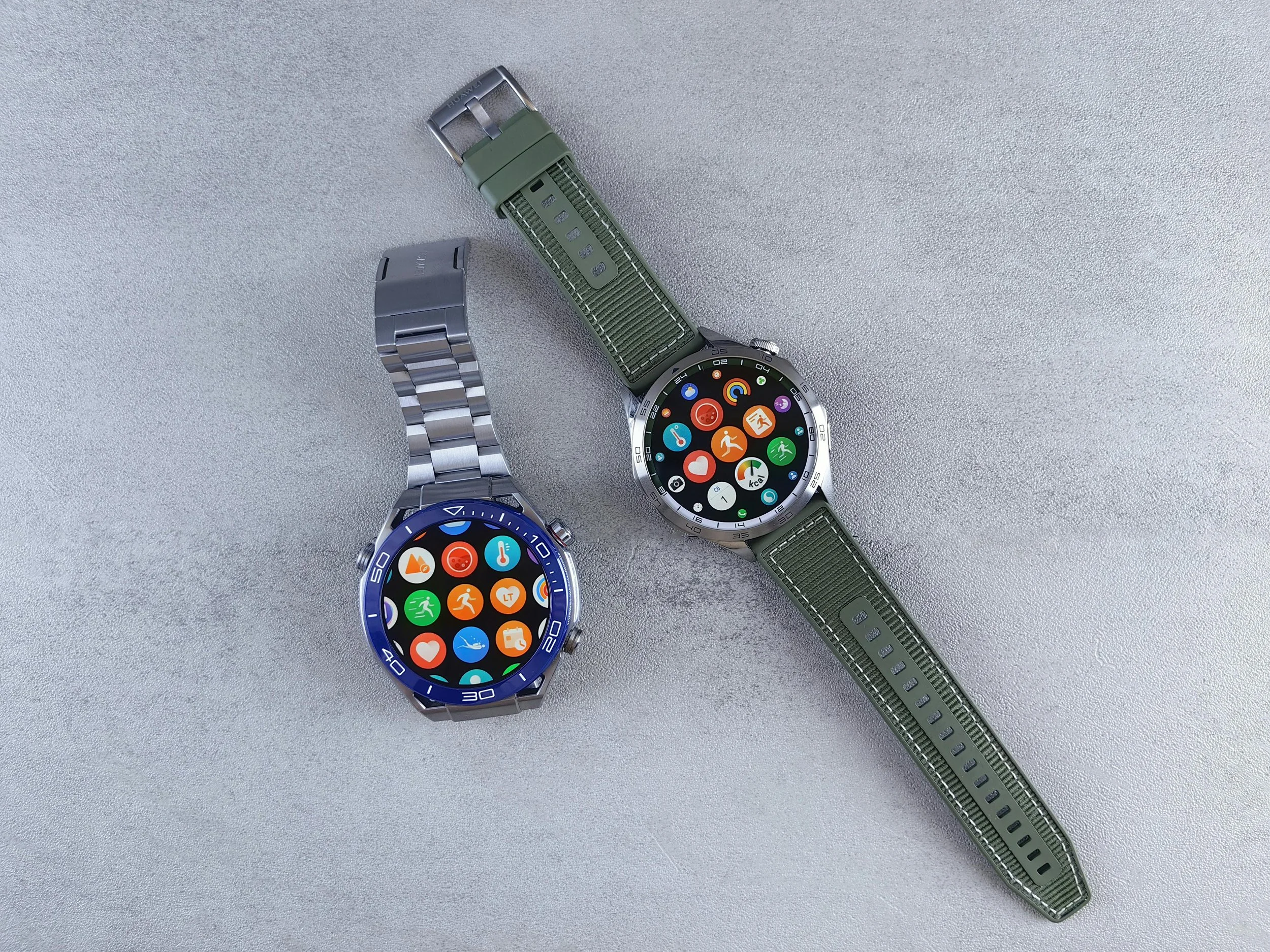
Photo by Andrey Matveev
Today’s Apple Watch is pretty much a mini health hub, offering things like:
Heart rate tracking
A-fib detection
Blood pressure monitoring
Blood oxygen levels
Body temperature
Exercise and activity tracking
Reminders to stand up and move
Workout stats like calories burned and distance
Meditation and mindfulness suggestions
Sleep tracking
Medical ID and Emergency SOS
My Oura ring tracks a lot of these things, too, but it isn’t going to call 911 or my Mom.
But here’s my question: With all this tech, what can we actually notice on our own?
I mean, I know how long I worked out. I can usually tell how hard I pushed myself—intensity usually equals calories burned. My rowing machine tracks my distance, and I can tell if it was an easy or tough workout. Sure, some machines have heart rate monitors, but I’ve found they’re not always reliable.
When it comes to sleep, I don’t need a gadget to tell me how I slept. I can tell by how I feel when I wake up. Yeah, my Oura ring tells me how I slept, but sometimes it says I had terrible sleep when I actually feel pretty good. I still can’t figure out why it does that.
I’m also aware when I’m stressed, pushing too hard, or running low on energy. I know my body well enough to tell when I need to take a break—maybe take a walk, breathe, drink some water, and hit reset.
I don’t have high blood pressure, but I can definitely feel when my heart rate spikes. The same goes for my mom. She has AFib and can feel if her heart is racing. She noticed it first with a pulse in her neck. Mom has been active for years and knows her body really well.
Here’s the thing: I’m not against devices. I think they’re helpful and can certainly make us more aware of what’s going on.
I am for body awareness—learning to listen to how you feel, noticing the shifts, and understanding what’s working and what’s not. It’s that awareness that helps you make the right choices when it comes to workouts, sleep, eating, socializing, and just living your life.
Your device is always talking to you, but so is your body. Are you listening?